Unlock the Keys of Effective Dog Training for a Better and Mannerly Family Pet
Successful dog training copyrights on a deep understanding of canine actions. By recognizing just how pet dogs interact, owners can much better accommodate their needs. Uniformity and favorable reinforcement play vital duties in promoting desirable behaviors. Yet, lots of still deal with usual errors that can hinder progression. As the trip of training unfolds, exploring efficient strategies can disclose the possibility for a better, well-adjusted pet. The following actions might stun also the most experienced dog owners.
Understanding Your Dog's Behavior
The Relevance of Uniformity in Training
Uniformity in training is vital for cultivating a canine's understanding of expectations and commands, as it produces a stable knowing atmosphere. When proprietors apply the exact same commands, signs, and rewards constantly, pets are more probable to realize what is being asked of them. Irregular training can bring about confusion, where dogs may not comprehend which habits are wanted, causing disappointment for both the proprietor and the pet dog. Developing a routine assists strengthen understanding, permitting pets to link specific activities with their corresponding commands. Furthermore, consistent reinforcement of boundaries and rules helps grow excellent habits gradually. Inevitably, a dedication to consistency not only enhances a pet's training experience yet additionally enhances the bond between the pet and proprietor.
Favorable Reinforcement Techniques
Positive support methods are vital for efficient dog training, emphasizing the importance of incentives and treats. Consistency and timing play essential functions in strengthening desired actions, making certain that pet dogs make the connection in between their actions and the positive results. By executing these strategies, instructors can promote an extra appealing and effective understanding atmosphere for their pets.
Incentives and Treats
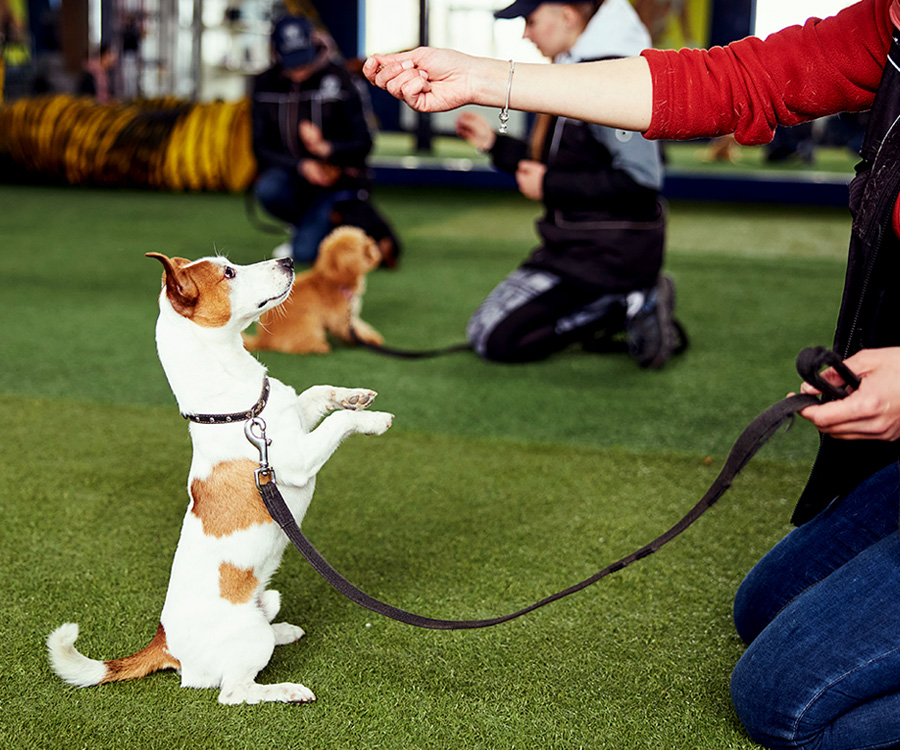
Reliable dog training typically rests on the calculated use benefits and deals with, which act as effective incentives for canine habits. These rewards can greatly improve a dog's desire to comply and find out with commands. When a dog effectively executes a desired activity, prompt rewards-- such as delicious treats or passionate appreciation-- reinforce that habits. The kind of reward can vary, relying on the individual dog's choices; some might respond much better to food treats, while others may prosper on spoken affirmations or play. Furthermore, differing the incentives can keep a dog's rate of interest and involvement throughout training sessions. By utilizing rewards efficiently, fitness instructors can develop favorable organizations, leading to improved obedience and a happier, well-adjusted animal.
Consistency and Timing
Successful dog training is not entirely dependent on rewards and treats; it also depends on the consistency and timing of those reinforcements. Consistency involves applying the same commands and responses throughout various training sessions, ensuring that the dog understands expectations. Timing, on the various other hand, is important; benefits should be given instantly after a desired behavior to develop a clear link between the action and the reward. Delayed support can puzzle pets, leading them to link the incentive with an unassociated habits. By maintaining consistent signs recommended you read and supplying timely reinforcement, instructors improve the possibility of desired actions being repeated. This combination cultivates a solid understanding, ultimately bring about a happy and mannerly animal.
Usual Training Risks to Avoid
Several dog owners unwittingly fall under typical training mistakes that can impede their progress. One main mistake is variance in commands and expectations, which confuses the dog and hold-ups learning. Furthermore, many owners fall short to recognize the relevance of gratifying excellent behavior immediately, leading to misunderstandings concerning what actions are being strengthened. Over-reliance on penalty rather than favorable support can also produce anxiety and anxiety, eventually harming the bond in between animal and proprietor. An additional common error is ignoring to educate in diverse atmospheres, restricting a pet's flexibility. Establishing impractical expectations can lead to disappointment for both the dog and the proprietor. Recognition of these challenges is essential for fostering efficient training and a harmonious connection with the pet dog.
Socializing: Trick to a Well-Adjusted Dog
Socializing is necessary for creating a well-adjusted dog, as it reveals them to numerous individuals, atmospheres, and experiences. Early and constant socializing assists pet dogs discover suitable habits, decreasing worry and anxiousness in strange scenarios. By connecting with various canines, people, and stimuli, they come to be extra certain and adaptable. Positive experiences during socializing can stop future behavioral concerns, such as aggressiveness or extreme shyness. It is important for owners click here for info to develop chances for their canines to involve with diverse settings, whether via young puppy classes, dog parks, or structured playdates. A well-socialized dog is typically extra kicked back and simpler to educate, causing a happier pet dog and a more harmonious partnership with their owner and the area.
Developing a Strong Bond With Training
Establishing a solid bond between a pet dog and its owner is necessary for efficient training and total leash training an older dog companionship. This bond is constructed through constant training sessions that utilize favorable support methods - Dog Training Santa Rosa Beach. When a proprietor rewards preferred actions with treats, praise, or play, the dog learns to connect training with favorable experiences. Additionally, spending high quality time with each other, such as taking part in play or outdoor activities, cultivates trust fund and understanding. Regular training not only boosts interaction but likewise assists the dog really feel safe and secure and valued. As the relationship strengthens, the dog ends up being extra receptive to commands, resulting in a well-behaved family pet. Inevitably, a solid bond causes a harmonious partnership, enriching both the dog's and owner's lives
Often Asked Concerns
For How Long Should Training Procedure Last for Ideal Outcomes?

What Age Is Perfect to Begin Training My Pup?
The perfect age to begin educating a puppy is around eight weeks. At this stage, they are responsive to finding out and socialization, which lays a strong foundation for excellent actions and obedience throughout their lives.
Can Older Canines Discover New Commands Properly?
Yes, older dogs can learn new commands successfully. While they might call for even more patience and consistent reinforcement, their capability to recognize and react to training can be equally as solid as that of more youthful dogs.
How Do I Manage Disturbances During Training?
To handle interruptions during training, one ought to choose a quiet environment, gradually introduce distractions, use high-value rewards, and maintain the dog's emphasis via consistent cues and patience, guaranteeing a positive learning experience for the pet dog.

What Devices Do I Required for Successful Dog Training?
Necessary devices for effective dog training include a durable leash, collar or harness, deal with bag, high-value deals with, remote control, training mat, and toys. These items assist in efficient interaction and favorable support, ensuring a productive training experience.
While numerous dog owners may presume they comprehend their family pet's actions with ease, a much deeper expedition discloses that pets connect via an intricate mix of body language, articulations, and social signs. In addition, a pet's social communications with other canines and people supply necessary context concerning its habits. It is crucial for owners to create opportunities for their dogs to involve with varied setups, whether with young puppy classes, dog parks, or structured playdates. When an owner awards desired actions with deals with, praise, or play, the dog learns to link training with favorable experiences. Necessary tools for effective dog training include a sturdy chain, collar or harness, deal with pouch, high-value deals with, clicker, training mat, and playthings.
Comments on “An easy owner’s guide to reliable recall from Off Leash K9 Training 30A”